

Zenzele Savings Group: Lupane’s ISAL success secret!
More than 140 kilometres from Bulawayo, in the heart of Lupane District, a determined group of women and men is quietly transforming lives through unity, discipline, and collective action. Clad in their blue Zenzele-branded T-shirts, the 24 members share one vision — to improve their livelihoods through saving, lending, and empowering one another.

Today, Zenzele stands as a powerful example of what communities can achieve when they are equipped with the right knowledge and inspired to rely on their own strength.
The group was formed in 2022 at the inception of the Zingane OVC Project under the project’s economic strengthening pillar. The Internal Savings and Lending (ISAL) initiative was introduced as a buffer against financial hardships that could potentially disrupt treatment and care for vulnerable children and families. Community facilitator, Moven Ngwenya, was tasked with mobilising and supporting the formation of ISAL groups, including Zenzele.
One of the group’s first and most important milestones was the development of a constitution — a guiding document that established the group’s operational procedures, values, and responsibilities. With this foundation in place, the members began their savings and lending journey.
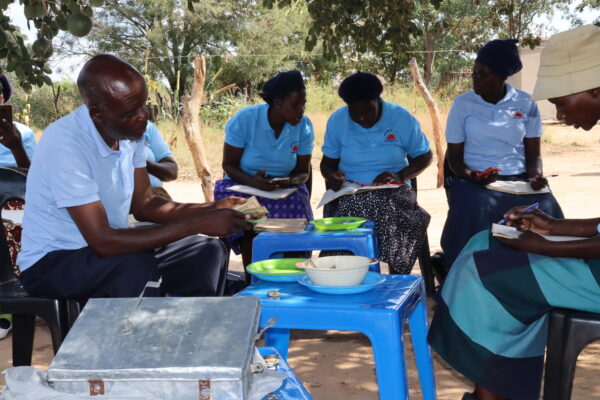
What started as a modest savings pool of just USD$500 gradually grew through consistency, trust, and shared commitment. The group soon surpassed the USD$3,000 mark and later reached USD$8,000 in another cycle. With each cycle, their confidence and financial capacity expanded.
Despite challenges brought about by the closure of USAID and the resulting funding disruptions, Zenzele remained resilient. By then, the members had already been empowered with the skills and systems needed to sustain themselves independently.For Moven Ngwenya, however, the funding disruptions meant the end of the stipend he had been receiving through the project.
“When we heard about the funding disruptions, I informed the group that my visits to monitor and support them might also be affected,” recalled Ngwenya. “To my surprise, the group told me they had already been discussing the possibility of continuing to support me with a stipend so that I could keep mentoring them. Their accounts could sustain it. It remains one of the proudest moments of my life — seeing a diverse group of people in these remote communities build something so meaningful and sustainable.”
A key pillar behind Zenzele’s success has been the group’s unwavering commitment to its constitution. The document clearly outlines how members contribute savings, access loans, repay borrowed funds with interest, and participate in the share-out process at the end of each cycle. Beyond governance, the constitution has strengthened transparency, accountability, discipline, and trust among members.
Through the ISAL model, members contribute agreed amounts during each savings cycle and can access loans to support household needs, school fees, small businesses, and other livelihood activities. Flexible repayment arrangements and agreed lending procedures have enabled members to borrow responsibly while steadily growing the group’s savings through interest generated from loans.
At the end of every cycle, members share out accumulated savings and profits according to their individual contributions before regrouping and beginning a new cycle. This process has not only improved financial literacy and household resilience but has also strengthened solidarity and cooperation within the community.
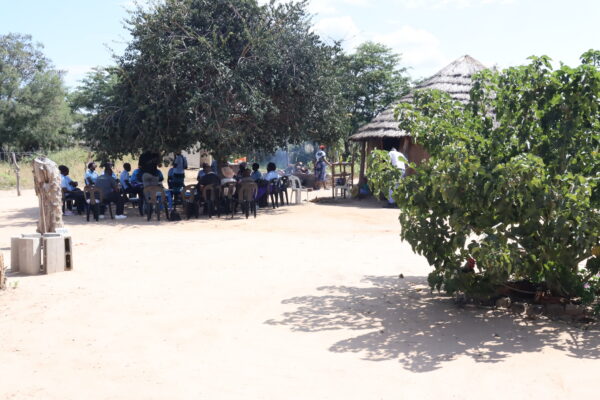
Today, Zenzele has over USD$15,000 in savings in its current cycle — a remarkable achievement for a rural community savings group. Yet the members are not stopping there. Their next target is ambitious but clear: to grow their savings base to USD$40,000 in the coming cycle.