

Bantwana Zimbabwe Showcases Integrated Child Protection Approaches at the National Child Protection Conference
The National Child Protection Conference has come and gone. For Bantwana Zimbabwe, integrated child protection approaches were among the key takeaways. Given the organisation’s positioning in the community, working with child care workers (CCWs), commonly referred to as community cadres, an integrated approach that places the community as the hedge that leads protection efforts cannot be overemphasised.
Throughout the conference, discussions emphasized that child protection is a collective responsibility requiring coordinated action from government, communities, civil society organizations, development partners and families.
As part of participation, Bantwana Zimbabwe hosted a side event focusing on HIV-Sensitive Case Management, drawing participants from government ministries, development partners, civil society organizations and community-based child protection actors.
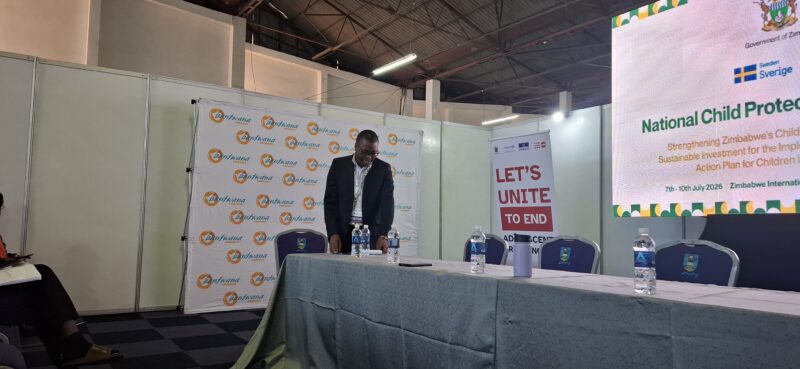
The session highlighted lessons from the Zingane_OVC Project, demonstrating how integrating HIV services within child protection systems improves treatment outcomes for children living with HIV while strengthening family resilience and safeguarding vulnerable children.
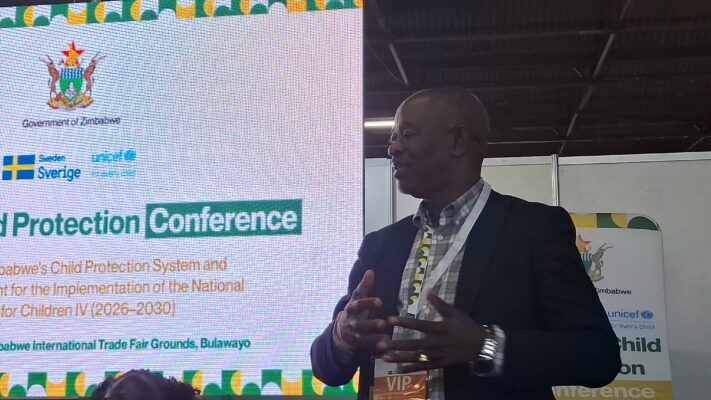
The side event was graced by Dr. Owen Mugurungi, Director of the AIDS and TB Unit in the Ministry of Health and Child Care, who underscored the importance of integrated programming that brings together health, social welfare and community systems to support children and adolescents living with HIV. He emphasized that achieving sustained viral suppression among children requires more than clinical interventions—it demands strong family support, community follow-up and effective collaboration between health facilities and child protection actors.
The discussion also featured expert panelists from the National AIDS Council (NAC) and the Department of Social Development, who shared perspectives on strengthening coordination between the health and social service sectors. Panelists emphasized the importance of harmonized referral systems, timely identification of vulnerable children, and stronger collaboration among frontline workers to ensure that no child falls through the cracks. A Child Care Worker (CCW), Melissa Mpofu, provided a practical account of how community-based child protection systems operate at the grassroots level. Drawing from firsthand experience, the CCW described how Child Care Workers serve as the critical link between vulnerable households and essential services.
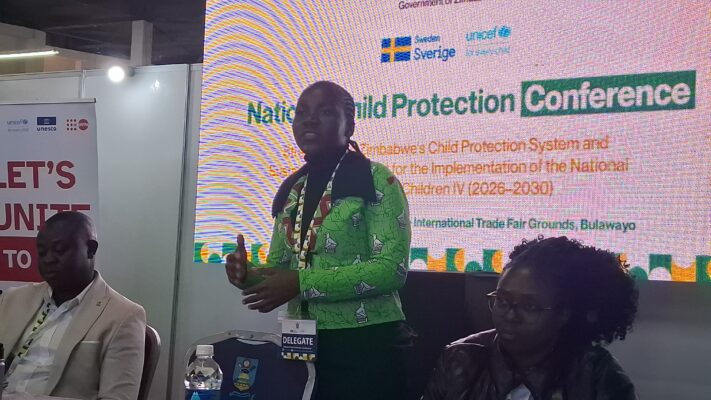
The presentation outlined how Child Care Workers actively identify children who may be at risk through regular household visits, community engagement and close collaboration with local leadership and health facilities. Once a child is identified, the worker conducts an initial assessment, facilitates referrals to the appropriate services—including health facilities, social welfare offices and other specialized service providers—and continues to monitor each case through regular follow-up visits. This continuous follow-up ensures that referred children actually receive the services they need, adhere to treatment where necessary, and that emerging challenges are addressed promptly through coordinated case management. The presentation demonstrated the value of community volunteers in strengthening child protection systems. It illustrated how consistent follow-up builds trust with families while improving service uptake and long-term outcomes for vulnerable children.
The experiences shared during the session affirmed that HIV-sensitive case management extends beyond clinical care. It is a holistic approach that addresses the health, protection, psychosocial and socio-economic needs of children and their caregivers while building stronger community systems capable of responding to vulnerability.