

Inspiring Community Ownership of Solarisation in Beitbridge-TEACH.
A recent visit to Beitbridge District under the Teacher Effectiveness and Equitable Access to Quality Learning (TEACH) Project highlighted the remarkable impact that school solarisation is having on education outcomes in some of Zimbabwe’s most remote communities.
Implemented with support from UNICEF Zimbabwe and funding from the UK Government, the TEACH Project has successfully solarised 154 schools across the country, providing reliable and sustainable energy solutions that are transforming teaching and learning environments.
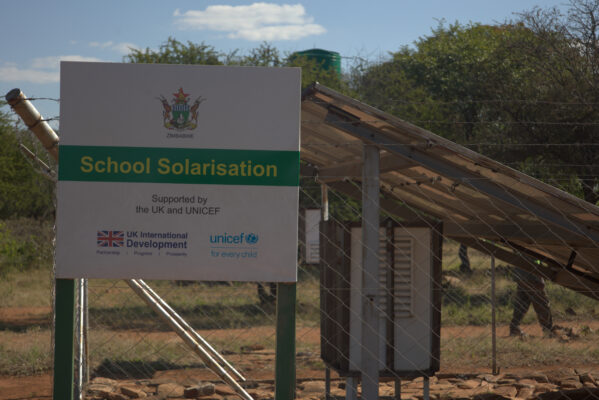
The solarisation initiative has enabled schools to integrate digital learning into classrooms through the use of laptops, tablets, and projectors. Learners now have greater access to educational content, digital textbooks, and interactive learning materials, helping to bridge the gap between rural and urban schools.
In Beitbridge District alone, seven schools have benefited from the solarisation programme. During visits to Jopembe Primary School, Msane Primary School, and Mapili Primary School, teachers, learners, and community members shared inspiring stories of how access to electricity has changed the learning experience.
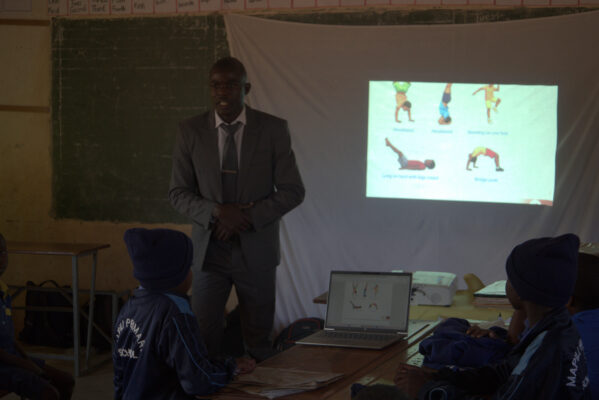
Learners expressed excitement about attending school and engaging with digital learning tools, while teachers reported improved classroom participation and greater access to teaching resources. In several schools, the introduction of digital learning has contributed to improved academic performance and increased pass rates.
“There is a great deal of enthusiasm from the learners when they come to school, thanks to new methods of teaching that we now implement as a result of the solar. Haa the kids are happy and that makes our job more enjoyable and easy to do, says Precious Moyo,” a teacher at Msane primary school.
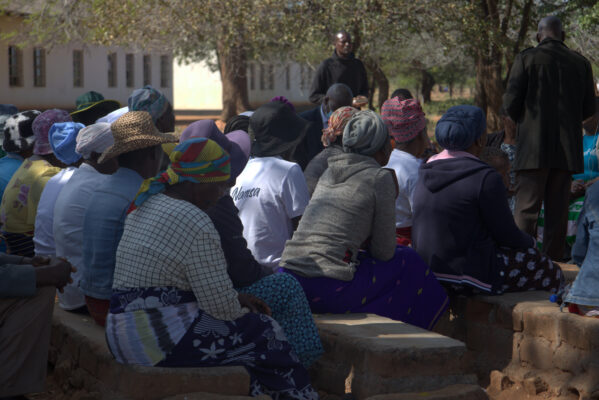
One of the most encouraging outcomes of the project has been the strong sense of community ownership. After community engagement trainings conducted by Bantwana Zimbabwe, locals have embraced the project as their own and have taken active steps to ensure its sustainability. Some have established committees responsible for safeguarding the solar equipment, with volunteers providing security services to protect the installations. Others have mobilised resources to support internet connectivity, while some communities have introduced school feeding programmes aimed at improving learner attendance and concentration in class.
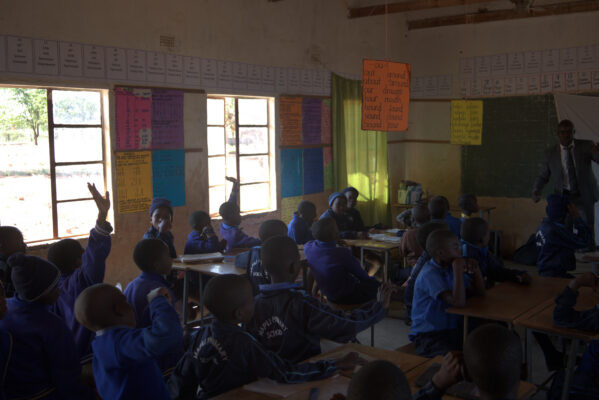
At Jopembe Primary School. Community representatives said they will do more to amplify the message of community ownership.
“We could do more, and we have to, because we know that UNICEF or Bantwana is not going to come and fix if there is a breakdown. So we will work on mobilising our own resources to do it, said a community member in attendance.
The visit to Beitbridge follows a visit that was also conducted in Insiza and Gwanda recently with another visit expected to take place in Manicaland.